Why Is Black Always Indispensable to Streetwear? From Design Trends to Technical Execution
- Share
- Issue Time
- Oct 15,2026
Summary
Why Is Black Always Indispensable to Streetwear? From Design Trends to Technical Execution
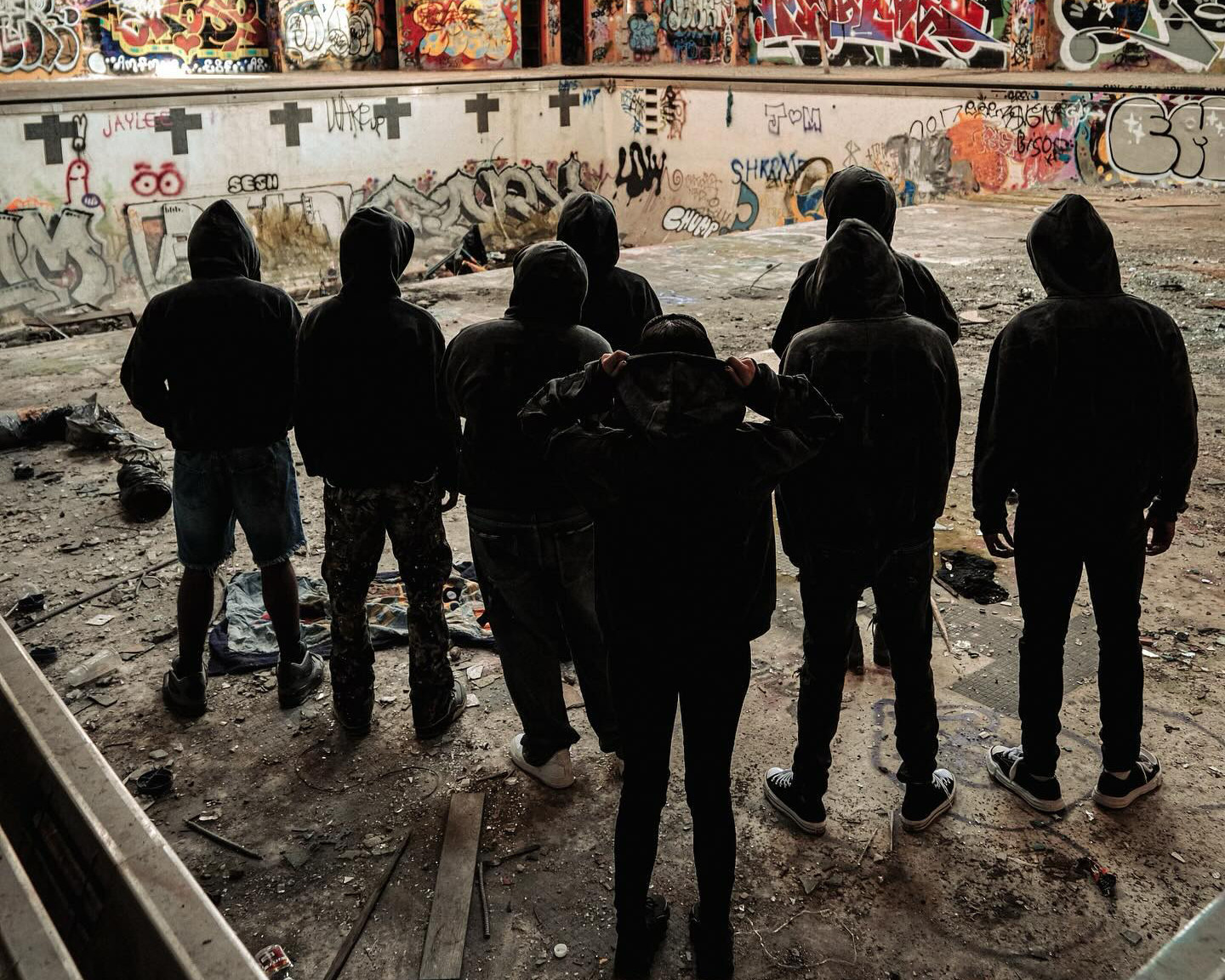
Visit the product page of any streetwear brand, and you’ll find that black is consistently the most prevalent color. From Supreme and Stüssy to Fear of God and Yeezy, every label features an extensive array of black pieces. The recent "all-black" MA-1 jacket from Alpha Industries has even brought the "tactical black" aesthetic to the forefront.
But have you ever wondered why black holds such significance in streetwear culture? And did you know that rendering a garment in black actually involves a surprising amount of technical craftsmanship?
I. Black is both a "safe zone" and a "zone of expression" for streetwear brands.
Let’s start with three reasons from a design perspective:
1. Black suits everyone and fits any occasion. A black sweatshirt can be paired with anything. For brands, black items are the "volume drivers"—when consumers are unsure which color to choose, black is the default answer.
2. Black is a color that conveys an attitude. The essence of street culture is rooted in rebellion, understatement, and a refusal to conform. Black naturally embodies this spirit—it is subtle, yet possesses an incredibly strong presence. This is why many high-end streetwear brands (such as Rick Owens or Yeezy) feature collections that are almost entirely black.
3. Black allows designs to "shine." Prints, embroidery, and rhinestones stand out most vividly against a black background, creating the strongest contrast. The same graphic carries a greater "visual impact" on a black base than on a white one. In short, black serves as the perfect canvas.
II. The real challenge isn't just "going dark"—it’s "achieving nuance in the darkness."
Many brands view black as a simple choice—after all, how hard can it be to dye something black? In reality, black is the most challenging color to execute in a way that conveys a sense of premium quality, both in terms of fabric and craftsmanship.
Issue 1: Does it look "faded/grayish" or "dull/flat"?
When pure cotton is dyed, it often turns grayish or whitish after a few washes—particularly around the neckline and seams. A high-quality black fabric must meet three criteria: a deep, saturated tone; colorfastness (no fading to gray); and perfect uniformity. Achieving this requires superior dyes and precise, sophisticated dyeing processes.
Issue 2: How do you create depth in an all-black look?
The challenge with an all-black piece is: how do you signal that it’s a high-end, expensive item? The answer lies in using contrasting textures to build depth:
- Matte vs. Glossy: Combining a matte, brushed-black finish with a satin-black (slightly reflective) texture creates two distinct tactile experiences within a single garment.
- Black-on-Black: Pairing black fabric with black embroidery—while monochromatic, it creates a three-dimensional effect when light hits it.
- Black-on-Black Trims: Incorporating black metal zippers, drawstrings, or rhinestones—it appears as a solid black piece from a distance, but reveals rich, intricate details up close.
- Subtle Contrast: Using a black base accented with small touches of gray, burgundy, or off-white—such as logos, exposed stitching, or patches—is a classic "black-styling" technique frequently used by streetwear brands.
III. Recommendations for Brands Regarding Black Items
1. Always create samples to test the color, even for black items. The "black" that emerges from different fabrics varies significantly: black on cotton tends to be matte, on nylon it leans toward glossy, and on denim, it often takes on a grayish tone. Once the primary fabric is selected, use a color swatch to verify that it is the specific shade of black you desire.
2. Incorporate design details to make the black stand out. If you are creating an all-black piece, it needs a "focal point"—such as a back print, chest embroidery, side-seam webbing, or a distressed spray-dye effect—otherwise, it risks being nothing more than an ordinary black T-shirt.
3. "Washed black" is the most enduringly appealing shade. Compared to solid, flat black, a distressed or washed-out black (such as a charcoal or "cloudy" black) offers greater depth and a sense of narrative; it even looks better the longer you wear it. In recent years, the trend for black apparel in streetwear has clearly shifted from "solid black" toward "distressed black."