Streetwear Isn't Just Apparel: The Production Logic Behind Caps, Socks and Tote Bags
- Share
- Issue Time
- Nov 25,2026
Summary
Streetwear Isn't Just Apparel: The Production Logic Behind Caps, Socks and Tote Bags
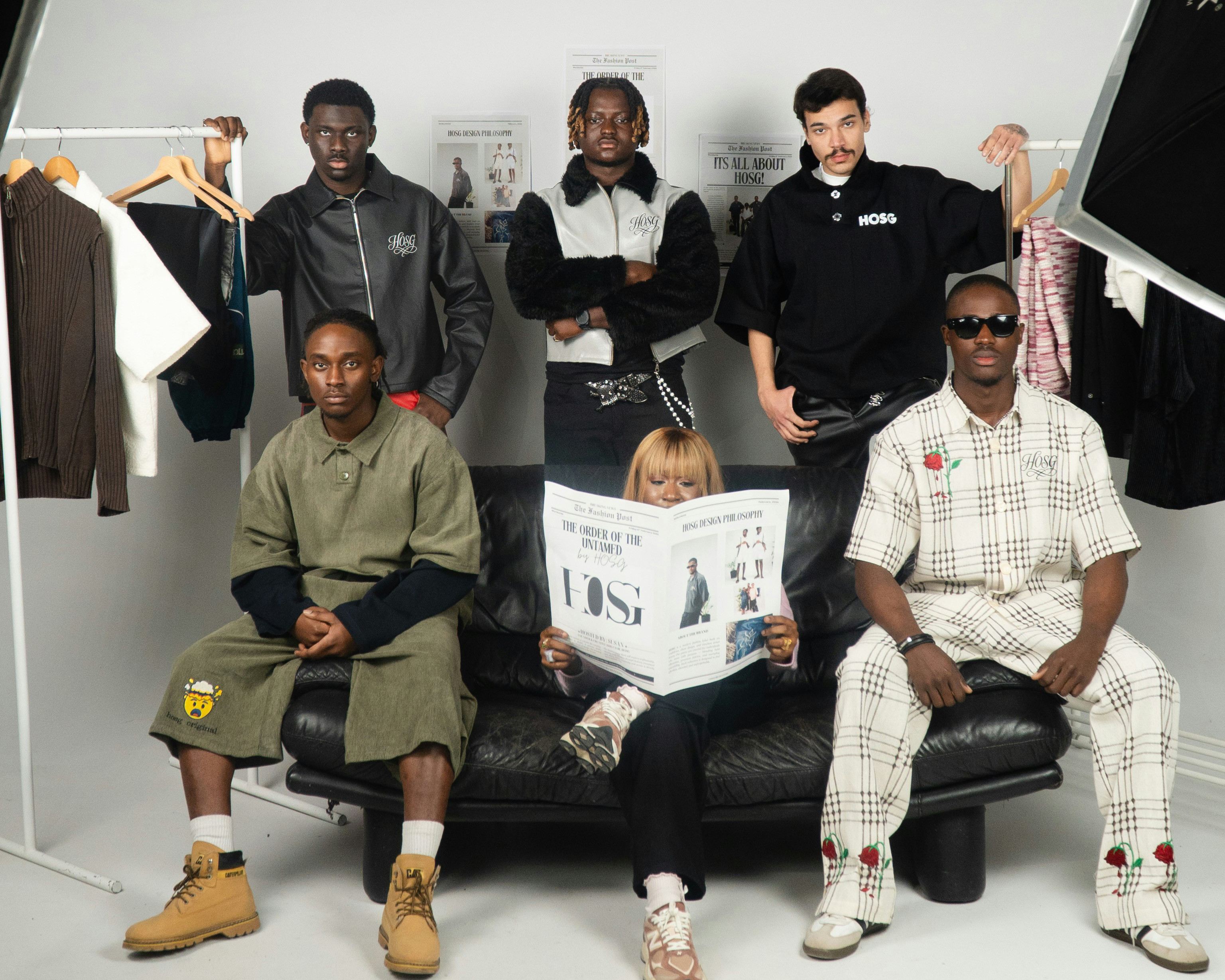
When a T-shirt takes off, what does a brand usually do next? Move into accessories.
Caps, socks, canvas bags, keychains, mask chains — these low-ticket, high-frequency items are becoming streetwear's second growth curve. Their value is concrete: lower the entry price for customers, increase purchase frequency, and serve as a vehicle for collaborations.
This article covers the production logic of streetwear accessories — it's an entirely different system from apparel.
1. Caps: The Most Technical Accessory
Common types:baseball caps, bucket hats, beanies, five-panel caps.
Process points:
- Baseball capsneed shape setting (the brim needs structure), an adjustable back closure, and an inner sweatband.
- Embroidery is the main selling point:front logo embroidered, side embroidery, back embroidery — stitch count drives cost.
- Bucket hats depend on fabric (nylon, cotton, corduroy) and topstitching.
The barrier:caps are a "three-dimensional, molded" product, not simple cut-and-sew work. Many garment factories can't make caps because it requires dedicated cap machines (embroidery-cap machines, blocking equipment).
2. Socks: Easiest to Make, Easiest to Get Wrong
Common types:crew socks, no-show socks, athletic socks, knee-highs.
Process points:
- Computerized jacquard knitting — the more complex the pattern, the higher the cost.
- Cuff rib elasticity, toe seaming (hand-linked is more comfortable).
- Cushioned soles, terry soles (athletic socks).
The key:the core of a sock is stretch and comfort, not pattern. **A loose cuff or a toe seam that rubs means it won't sell, no matter how good it looks.
3. Canvas Bags: The Most Flexible Collaboration Vehicle
Common types: tote bags, crossbody bags, drawstring bags.
Process points:
- Canvas weight (8oz/10oz/12oz/16oz — heavier is stiffer).
- Printing (mainly screen print), embroidery, appliqué, heat transfer.
- Lining, inner pocket, zipper, hardware.
The advantage:canvas bags are the best low-cost brand exposure vehicle— customers carry them around daily, which is a walking advertisement. Many brands use canvas bags for gifting and collaborations.
4. Small Charms and Accessories
Keychains, lanyards, mask chains, bandanas, belts, leg warmers — low ticket, simple process, but done well they become "gift hooks" that increase repeat purchases and social sharing.
5. Three Suggestions for Brands
1. Accessories must speak the same language as the main line.The logo on the cap, the colorway on the socks, the graphics on the bag should all match the core visual system. Made separately, it reads scattered.
2. Use accessories to lower the entry price.A hoodie might be $80, a cap $25 — accessories let new customers place a first order far more easily than a big-ticket item.
3. Find a factory that can span categories.Apparel, caps, bags and socks are rarely all made by one factory. A factory that can integrate multiple categories helps you keep a full accessory set visually consistent and on the same delivery schedule.
6. One Line From the Factory Side
Accessories look small, but they're actually the biggest test of multi-category integration.
One garment can carry a collection; one cap can carry a collaboration.Whoever builds out accessories lets a brand sell as a complete head-to-toe set.