Stella McCartney closed Riyadh Fashion Week, marking a step towards Saudi Arabia's fashion vision going global.
- Share
- Issue Time
- Jan 17,2026
Summary
Saudi Arabia's fashion vision is expanding internationally.
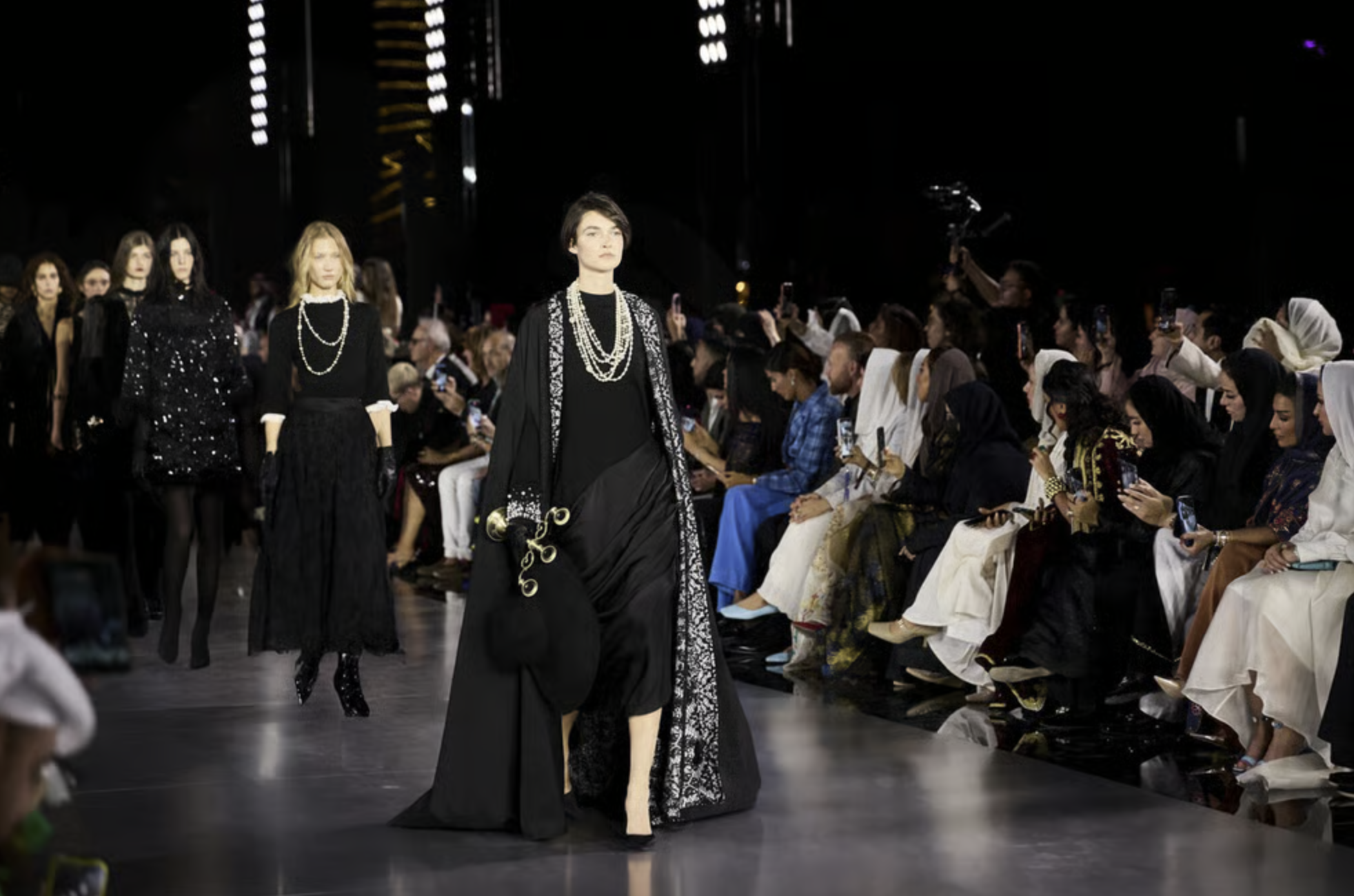
To showcase the ambitions of the Saudi capital, the third Riyadh Fashion Week concluded on Tuesday evening, with British designer brand Stella McCartney headlining the six-day event, which primarily featured local brands. This is seen as a cornerstone initiative in Saudi Arabia's "Vision 2030" cultural transformation.
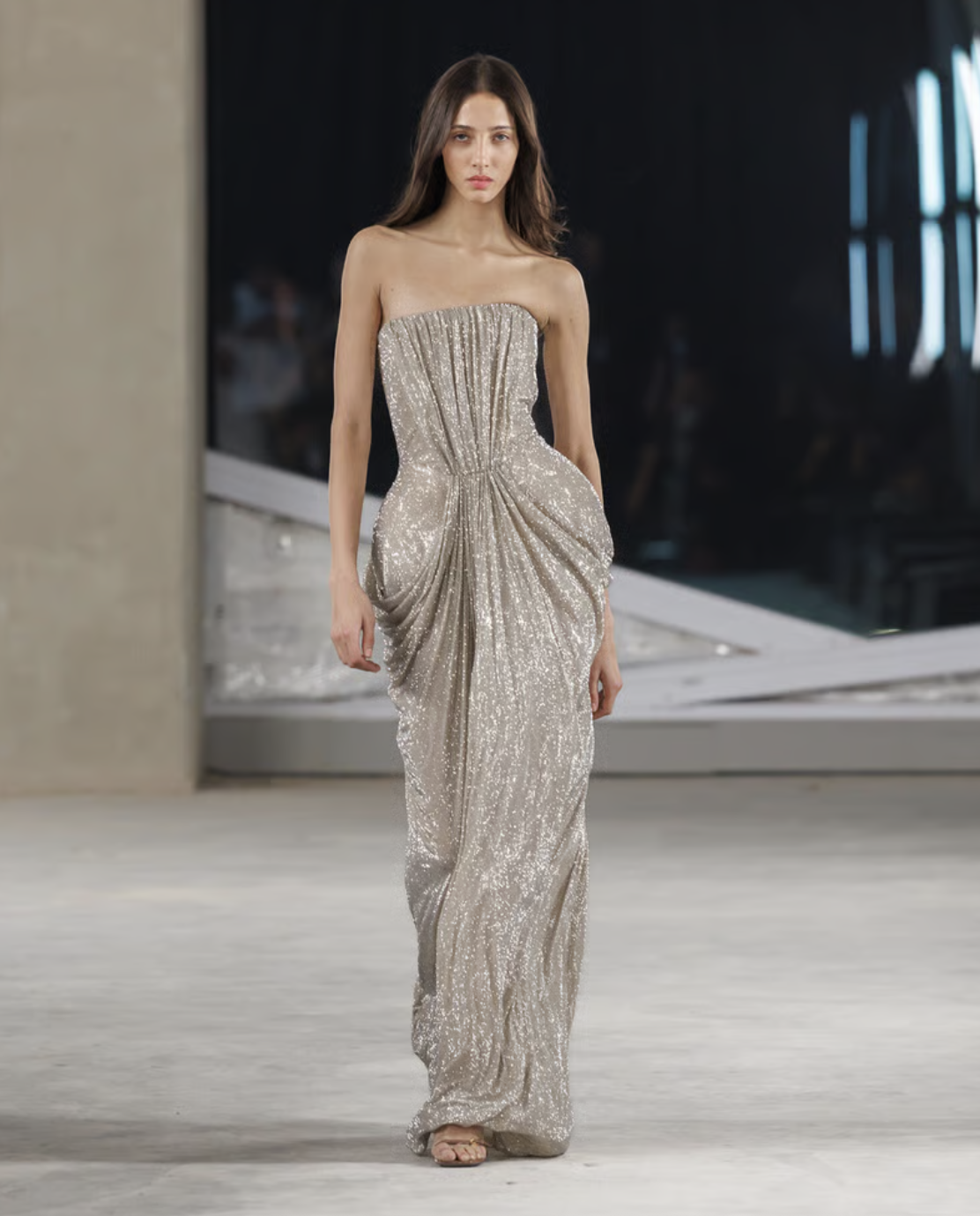
Stella McCartney's closing show, along with Vivienne Westwood's opening show, injected significant international credibility and global perspective into Riyadh Fashion Week. The designer, upholding her commitment to sustainability, showcased her work in the Middle East for the first time, presenting selected pieces from her Spring/Summer 2026 and Autumn/Winter 2025 collections. At the King Abdullah Financial District (KAFD), attendees witnessed the brand's use of innovative materials, including Yatay M vegan leather made from fungal mycelium, the world's first plant-based sequins Sequinova, more responsible viscose fibers, and biodegradable mesh and recycled silk. Several local celebrities appeared wearing the brand's designs, highlighting its influence.
In a country pursuing an ambitious sports strategy—including appointing football superstar Cristiano Ronaldo as a national ambassador in the sports sector—fashion has become a key area of national investment. This year's Riyadh Fashion Week marked the first time international and local designers showcased their work together. The Saudi Fashion Commission, which coordinates the Saudi fashion industry, is working to build momentum for the industry locally.
Capital's charm offensive
The strategy was launched from the capital city of Riyadh. The fashion week attracted celebrities from across the Middle East and made a bold statement in the heart of the city. At night, the iconic Kingdom Centre Tower became the focal point of the city, projecting fashion week-themed videos onto its 302-meter-tall facade.
This charm offensive proved highly effective. In a country known for its strict religious conservatism, extravagant attire is not commonplace, yet local gilded youth bravely navigated the city's three-lane traffic, flocking to extraordinary show venues—from desert runways and palm oases to city rooftops and creative hubs.
The scene was a striking contrast of tradition and modernity; the call to prayer echoed in the air, yet the crowd at the show entrance was busy taking selfies. Men wore either traditional white robes and headscarves or head-to-toe outfits from European luxury brands; women's black abayas were adorned with exquisite embroidery and pearls, with a strand of hair occasionally slipping from beneath their veils. Exotic handbags, high-end shoes, and layers of gold jewelry showcased visible luxury, while bold makeup interpreted femininity. The occasional appearance of glittering evening gowns, clinging to the body or revealing legs and shoulders, seemed temporarily "exempt" from the usual norms within the specific space of the fashion show. Although most local designers have only emerged in recent years, the wealthy younger generation, closely connected to the designers, showed great enthusiasm for the event, with each show met with enthusiastic applause.
The rise of local forces
“Every day is completely different. The shows come one after another, a mix of brands, product diversity, and different audiences. It’s a fantastic experience to be able to watch them consecutively,” said Burak Cakmak, CEO of the Saudi Fashion Commission, which organized the event and has been increasing the number of participating brands year after year. “Through approximately 40 shows and presentations, you get a great understanding of the country’s fashion offerings, including haute couture, evening wear, men’s and women’s ready-to-wear, and even a mix of streetwear brands.”
In fact, the mood of the shows varied from day to day: the long-established designer Adnan Akbar crafted evening gowns with his haute couture approach to embroidery, tulle, organza, and silk. Ashwaq Almarshad and Atelier Hekayat also explored luxury and precious materials, utilizing transparency and playing with volume, with long trains, all-over embroidery, and opulent draping that resonated with the aesthetics of the Middle Eastern market.
Traditional Saudi clothing and cultural symbols are being re-examined. Abadia reinvents traditional women's wear with new proportions; Derza incorporates traditional Al Sadu weaving and patterns into or onto garments; and Mona Alshebil and Razan Alazzouni integrate Middle Eastern cultural elements into their unique "working girl" ready-to-wear collections, utilizing subtle embroidery and graphic perforations. Some evening wear designs also boldly reveal the back, calves, and even the abdomen.
Local references are equally profound. Mihyar created jackets and trousers from boiled wool and reinterpreted the traditional Ghis coat. Oversized hooded coats were a recurring theme for several brands (such as Qormuz, Awaken, and RBA), reimagined through technical fabrics, original prints, or oversized silhouettes. The RBA brand even fully embraced tradition, having models walk the runway with eagles – a symbol of the Bedouin culture's connection to the desert.
The desert also served as a core source of inspiration for the Cargo brand, which presented one of the most cohesive and creative displays, themed around post-apocalyptic travelers. Through camouflage prints and key fabrics, they explored urban and street silhouettes, resonating strongly with the local audience.
Government support and local preference strategies
The committee's work has benefited from strong government support for industry development. While Saudi brands are gaining increasing exposure on the international stage, they must first win over local customers.
“The past three years have clearly shown that we must first focus on the Saudi market,” Karkmak emphasized. “The global market landscape has changed, and many regions are seeking ways to grow their businesses. For a long time, Saudis have been accustomed to shopping abroad. But with the maturation of the domestic retail ecosystem, local brands want to seize this opportunity. They cannot ignore local consumers; this is a healthy foundation. It's essential to respect the needs of the local community first and then plan distribution accordingly.”
Currently, most brands are focusing on improving quality and optimizing their organizational structures. For many, distribution channels are still in their early stages, but brands like 1886 and Hindamme have successfully attracted attention in the Middle East. Fashion weeks also provide these designers with opportunities to integrate into the international ecosystem – the committee invited buyers, influencers, and journalists from Europe and Asia, and signed an agreement with M.Seventy, the company that manages the White Milano trade show, to showcase Saudi brands on its platform.
This season, the show team, from production to styling, is comprised of experienced professionals and suppliers from European fashion weeks, ensuring that local brands meet higher expectations. Over the past three years, local brands have continuously refined their styles and production methods. While some brands maintain 100% local production, many still source raw materials from Italian textile mills and are increasingly turning to experienced Italian and French workshops. These international connections are expected to deepen further in the future.
International engagement builds connections.
The Saudi Fashion Commission went a step further by opening its schedule to European brands. This allowed Saudi brands to observe the operating models of established counterparts up close. Even when international brands showcased their collections in Riyadh, their aim was to connect their presence with local participants. For example, Vivienne Westwood collaborated with "Art of Heritage," a cultural institution dedicated to preserving Saudi artisanal heritage, to launch an exclusive capsule collection meticulously embroidered by Saudi artisans – going far beyond simply adapting silhouettes to suit regional customs.
“By advocating for respect for local culture, the brand has established a strong connection with many female consumers in the country,” Karkmak commented. “I look forward to hearing feedback on the brand’s business impact over the next six months.”
“Large brands and groups with vast resources already have a strong marketing presence in the country. They hold numerous events, dinners, and private showings. But participating in Riyadh Fashion Week is another way to tell their story. This is a crucial moment for us to showcase the country's fashion industry and attract the attention of local consumers to the participating international brands. For independent brands like Vivienne Westwood and Stella McCartney, it means they can benefit from the entire system within a week, amplifying their message very quickly to gain attention.”
With the presence of brands like Stella McCartney and Vivienne Westwood, Riyadh Fashion Week has scored significant points in its competition with other regional fashion hubs such as Dubai and Doha, and has also sent an open signal to international brands encouraging them to establish a presence in Saudi Arabia.
Building a new narrative for the fashion economy in the future.
Through its "Vision 2030" strategy, Saudi Arabia plans to rely on tourism growth to develop new economic sectors such as fashion and luxury goods.
“Vision 2030 aims to diversify the Saudi economy beyond oil. Culture is undoubtedly one of the main contributors to achieving this vision, along with tourism and sports,” explained Cakmak, who has been working with the Fashion Commission since 2020. “With a young and well-educated population, all these sectors have immense potential and offer untapped opportunities for international players. We have launched this movement in recent years, and now we need to build this new narrative by connecting the fashion economy with Saudi identity, culture, heritage, and tourism destinations.”
With the country gradually opening up and the resulting increase in market competition, the challenge for the Saudi Fashion Commission and Riyadh Fashion Week will be to help local brands develop and gain a voice in the market. To this end, this autumn the commission, in partnership with Merak Capital, established an initial investment fund of €69 million (300 million riyals) to provide financial support for brands and development projects within the country's fashion ecosystem.