Shifting Landscape in the Asian Apparel Industry: China's Upgrading and Bangladesh's Rise Reshaping Global Apparel Trade
- Share
- Issue Time
- Apr 10,2026
Summary
China's Upgrading and Bangladesh's Rise Reshaping Global Apparel Trade
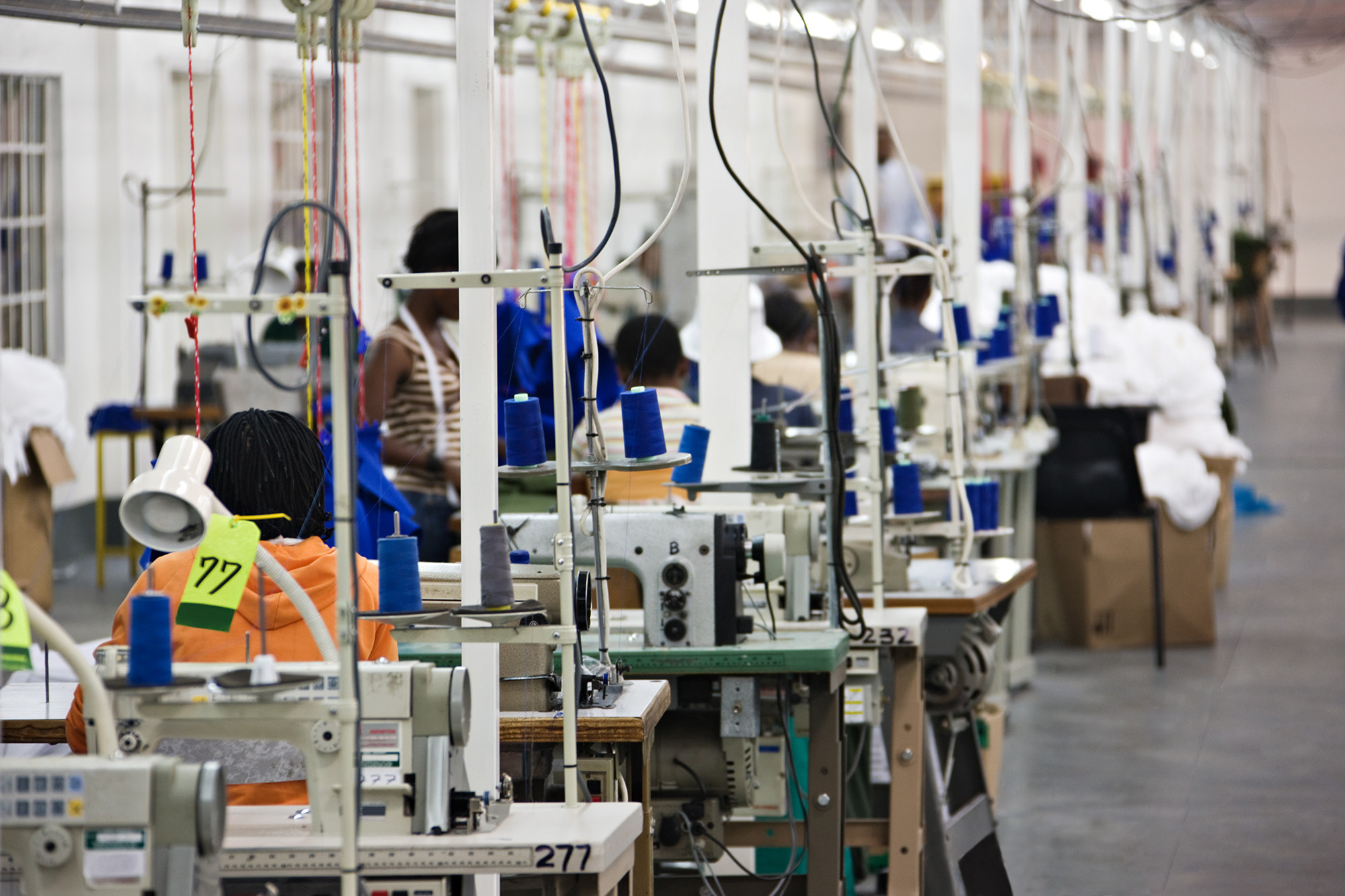
Dhaka and Beijing, October 11, 2025 – The global apparel industry is undergoing a major reshaping. Long-dominant China and ambitious challenger Bangladesh are exploring a complex relationship of competition and interdependence. This dynamic is reshaping the landscape of global apparel manufacturing.
China: Strategically shifting towards the high end of the value chain
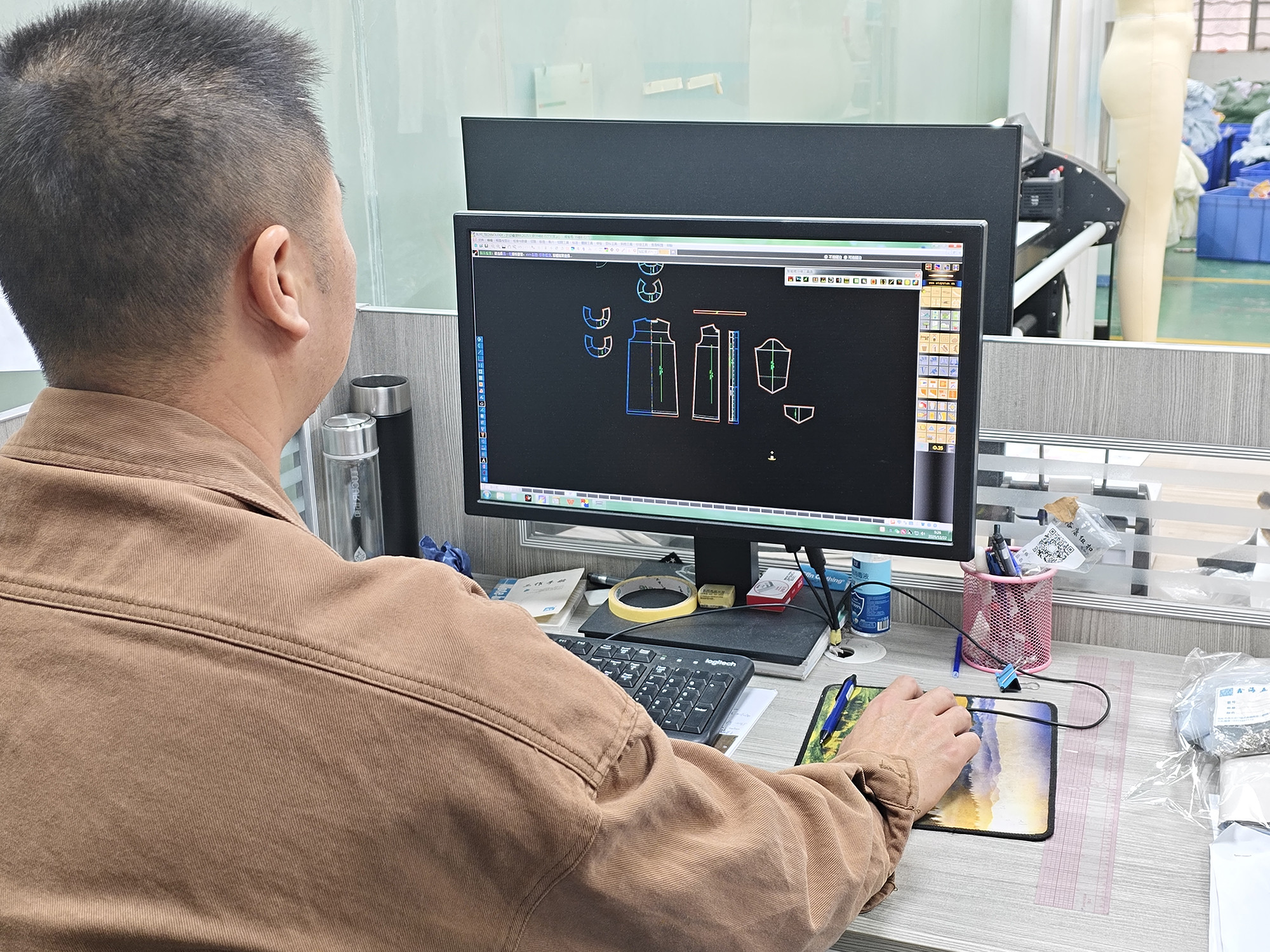
China is consciously shifting from mass-produced basic apparel to more complex, higher-value market segments. This shift is driven by rising domestic costs and a strategic emphasis on technology and brand building.
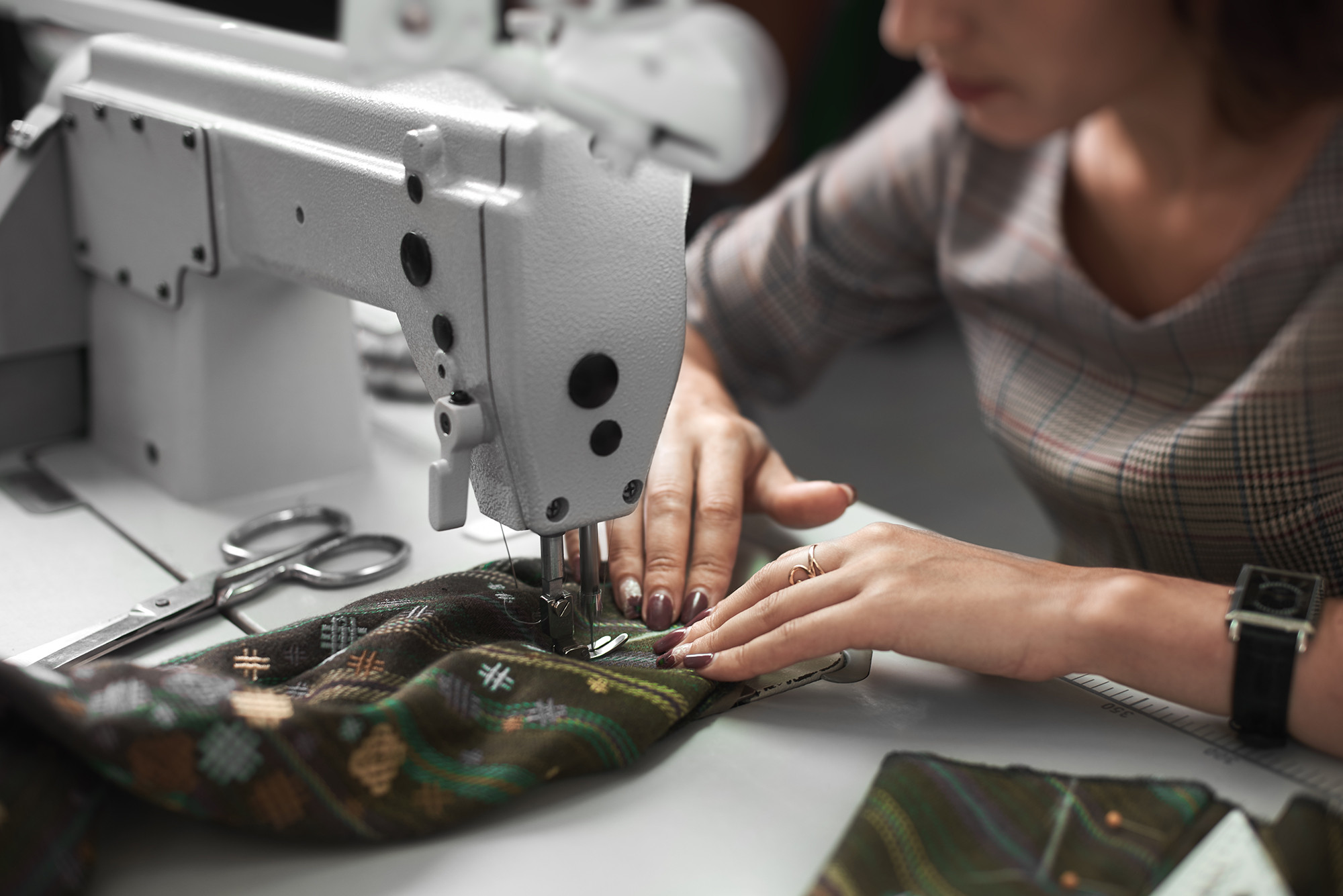
Automation and efficiency: To compete, Chinese manufacturers are investing heavily in automated cutting and sewing to maintain their competitiveness in areas such as technical coats and high fashion, where speed to market is crucial.
"Guochao" and Brand Building: The success of brands such as Li Ning and Bosideng reflects China's efforts to obtain higher profits in both domestic and international markets and to move beyond OEM manufacturing.
The reality of the "China+1" strategy: Many global brands are now adopting a "China+1" sourcing strategy. While China still handles complex orders, its market share in basic knitwear and denim is increasingly being eroded by lower-cost manufacturers.
Bangladesh: The Rise of Manufacturing Giants
Bangladesh has solidified its position as the world's second-largest garment exporter by leveraging its core advantage—competitive labor costs. However, its growth has also brought a series of challenges and ambitions.
Unparalleled scale of basic apparel: Bangladesh remains the top destination for large-volume orders of items such as T-shirts, sweaters, and jeans, boasting unparalleled efficiency in these categories.
Pressures of compliance and sustainability: Under close international scrutiny, the industry has made significant progress in factory safety and compliance. To meet brand demands, companies are increasingly adopting more environmentally friendly production methods.
Infrastructure Development and Diversification: Despite ongoing investments in new port and energy infrastructure, logistical bottlenecks persist. The industry aims to move into higher-end product segments, such as formal wear and technical apparel, to capture greater value.
The Relationship Between Intense Competition and Key Cooperation
The competition between the two countries is most evident in the scramble for orders from global giants such as H&M, Zara, and Walmart. Bangladesh's cost advantage poses a direct challenge to China's low-profit, high-volume producers.
However, this relationship also has a profound symbiotic nature.
“It would be a mistake to simply view this as an acquisition,” said the global sourcing director of a major European retailer. “It’s a realignment. We’re seeing Chinese companies investing in factories in Bangladesh. In addition, Bangladesh still imports a significant amount of high-quality fabrics, zippers, and accessories from China. They are both competitors and customers and suppliers.”
Future Outlook
The trajectory suggests a clearer division of labor. China will focus on automation, innovation, and a local brand ecosystem, while Bangladesh will continue to dominate output-oriented basic garment production. The end result is not one replacing the other, but rather the formation of a more specialized—and potentially more resilient—global garment supply chain.