Four Types of Embroidery: Flat Embroidery, Towel Embroidery, Appliqué, and 3D Embroidery—Which One Should a Streetwear Brand Choose?
- Share
- Issue Time
- Oct 17,2026
Summary
Four Types of Embroidery: Flat Embroidery, Towel Embroidery, Appliqué, and 3D Embroidery—Which One Should a Streetwear Brand Choose?
"Embroidering a design" can yield vastly different results depending on the technique used—whether it’s flat embroidery, towel (loop-pile) embroidery, appliqué, or 3D embroidery. Each offers a distinct aesthetic: some are sleek and refined, others bold and three-dimensional, and some carry a heavy, vintage feel. Choose the wrong one, and the entire vibe of your design shifts.
This article breaks down the four embroidery techniques most frequently used by streetwear brands, helping you make the right choice for your designs every time.
I. Flat Embroidery: The Classic, Foundational Style
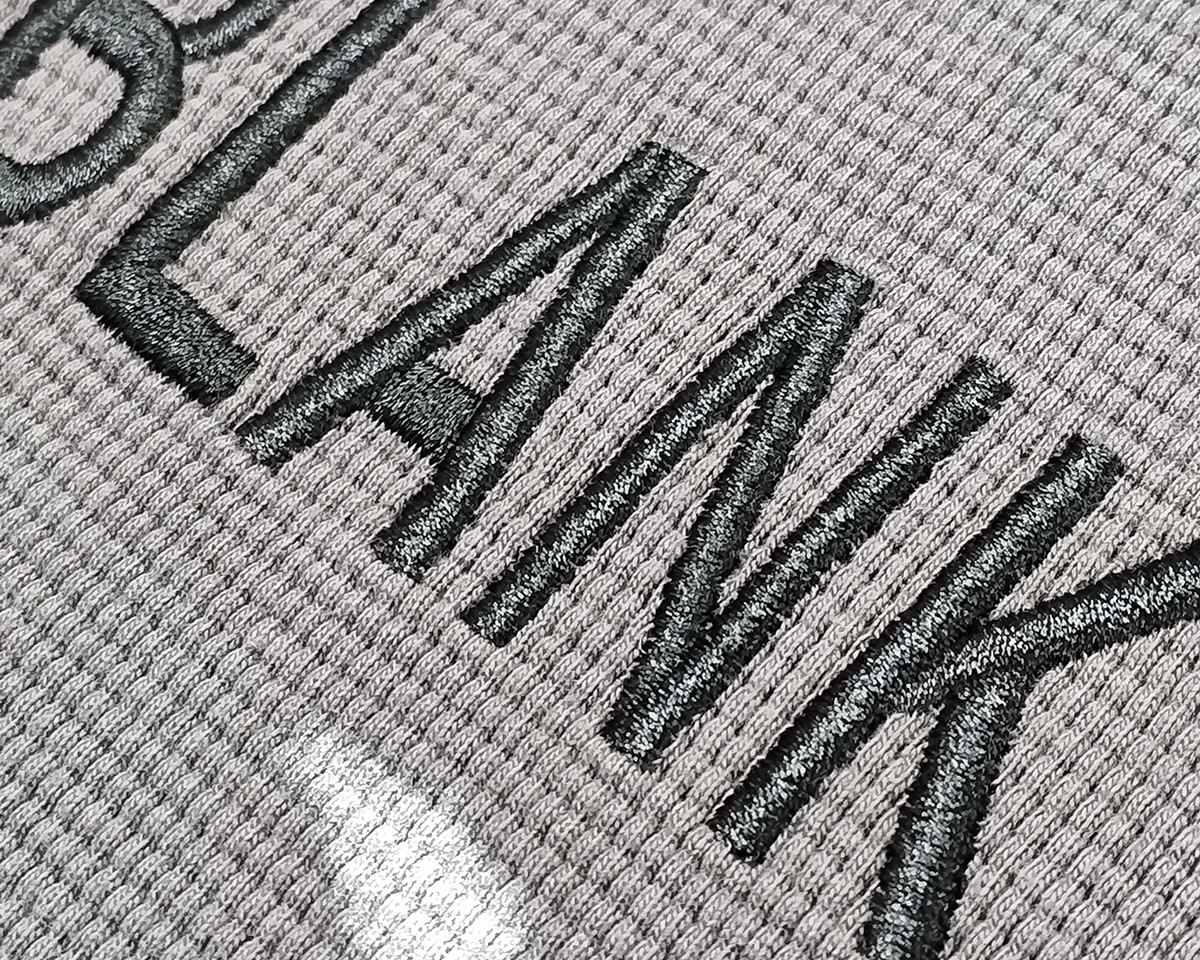
What it is: A technique where embroidery thread is laid back and forth to fill the area within a design's outline, resulting in a smooth, flat surface. It is the most common form of embroidery.
Characteristics:
- Refined and clean; suitable for small-scale designs.
- Ideal for logos, lettering, and small emblems.
- The most cost-effective option—the "entry-level" choice for embroidery.
Best for: Small logos on the chest, lettering on cuffs, or logos on the brims of caps—perfect for applications that require a "premium, textured look without being overly flashy."
II. Chenille Embroidery: A Bold, Three-Dimensional Effect
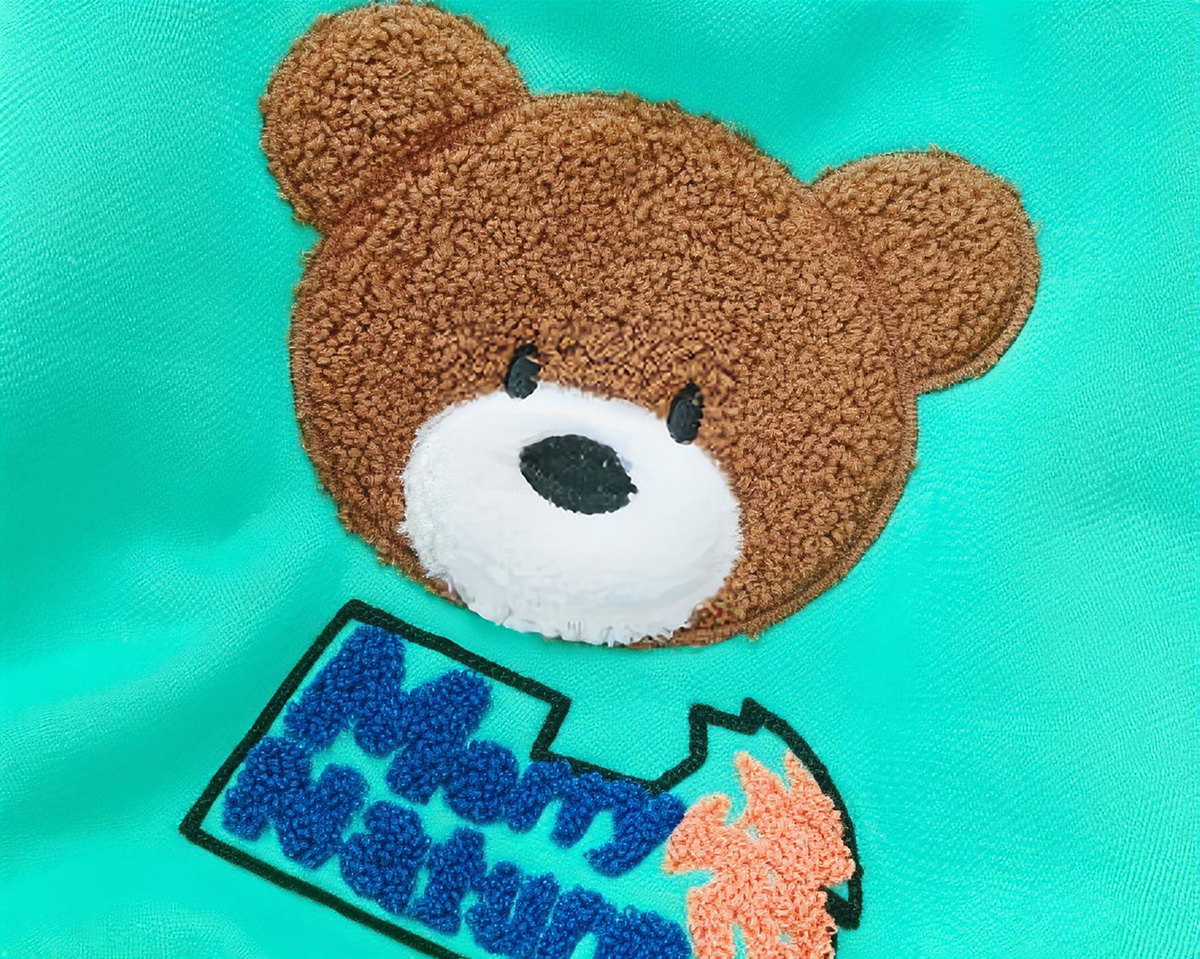
What it is: A specialized embroidery technique that creates a towel-like, looped texture. The design appears thick and plush, resembling a layer of soft, fuzzy fabric.
Key features:
- Highly three-dimensional, with a tangible thickness and a fuzzy, soft-touch feel.
- Evokes a strong vintage aesthetic, reminiscent of "old-school varsity" emblems.
- More expensive than standard flat embroidery, as it requires a higher level of craftsmanship.
Best for: Large lettering on the backs of varsity jackets, vintage-style varsity logos, and any design where you want a striking visual and tactile impact. For instance, on a high-end varsity jacket we previously produced, both the portrait and the lettering were executed using this towel-stitch (chenille) embroidery.
III. Appliqué: A Way to Create Standalone Emblems
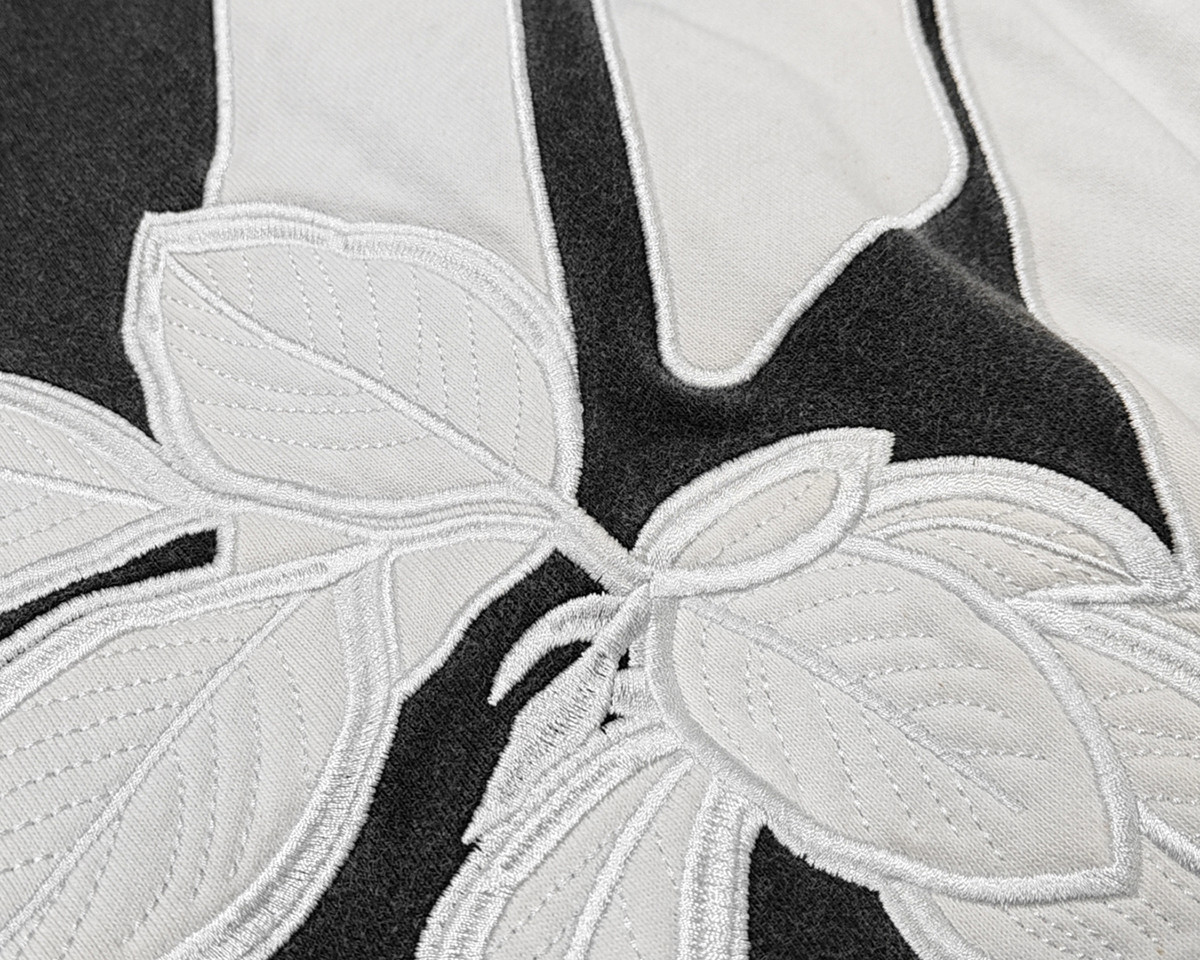
What it is: A design is first embroidered onto a separate piece of fabric, which is then stitched onto the garment.
Key features:
- The design can "stand alone" with clearly defined outlines.
- Allows for multi-material layering (e.g., embroidered patches combined with leather or webbing).
- A staple technique for vintage biker, military, and varsity-style aesthetics.
Common applications: Standalone chest badges, large back patches, and sleeve emblems. This is the core technique behind the "patch culture" often seen in streetwear brands.
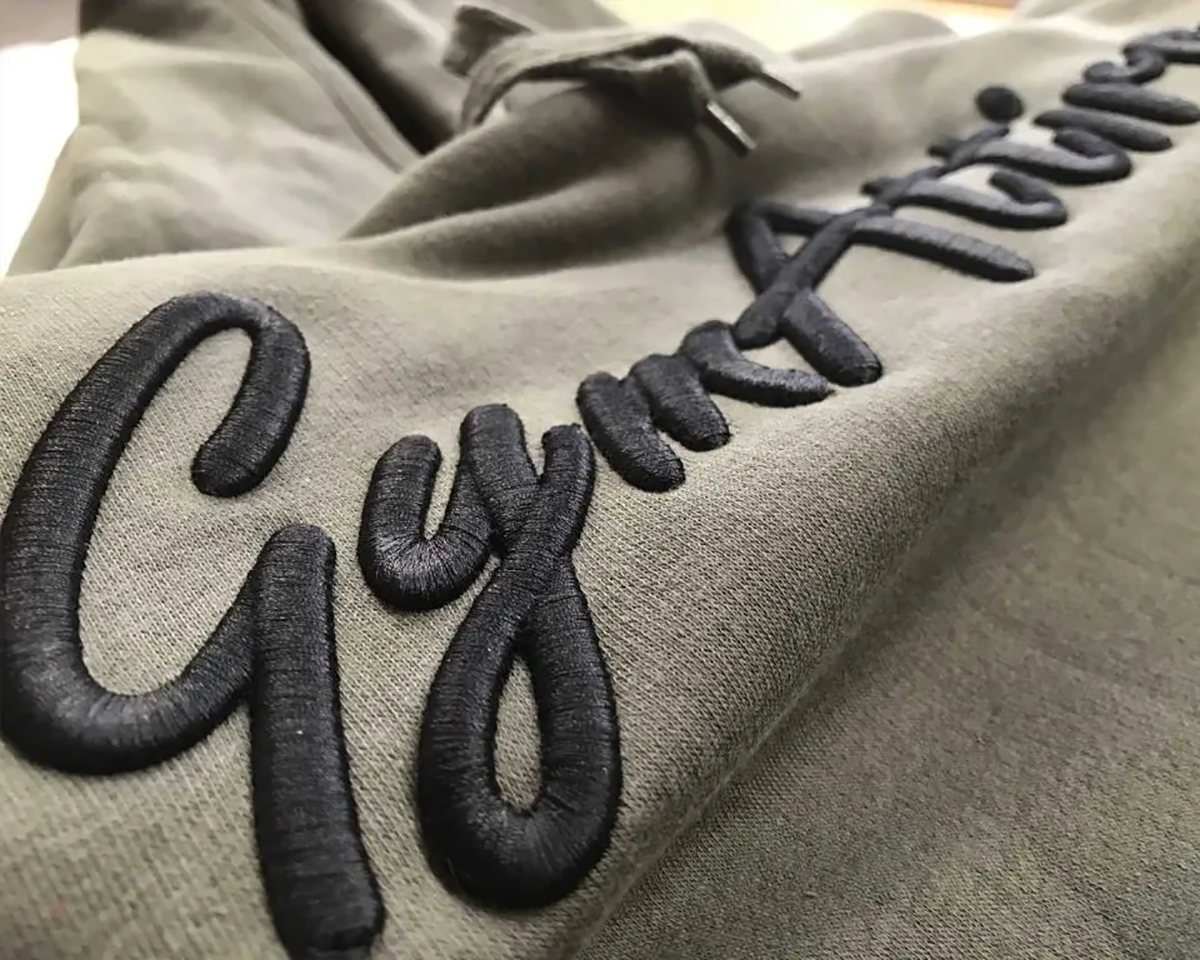
4. 3D / Puff Embroidery: A raised (puffed-up) logo
What it is: A technique that involves placing a layer of sponge or foam beneath the embroidery; once stitched, the design takes on a raised, three-dimensional appearance.
Features:
- Strong visual impact, with the logo standing out like a relief sculpture.
- Commonly found on hat brims and as chest logos; carries a distinct "streetwear" aesthetic.
- Higher cost than standard flat embroidery, but more versatile in its application than chenille (towel) embroidery.
Best for: Baseball cap brims, large logos on the chests of sweatshirts, and any brand identity that needs to "make a statement."
V. How to Choose? A Practical Decision-Making Framework
1. For small, delicate designs → Flat embroidery: clean and understated.
2. For large designs with a vintage, substantial feel → Towel (chenille) embroidery: ideal for varsity-style jackets or collegiate looks.
3. For standalone emblems or a military/biker aesthetic → Appliqué: offers distinct outlines and added dimension.
4. For a "raised" logo with a street-style edge → 3D (puff) embroidery: perfect for caps or chest placements.
For a more sophisticated approach, try mixing techniques on a single garment: use a large appliqué emblem on the back, a small flat-embroidered logo on the chest, and 3D-embroidered lettering on the cuffs. Combining these three distinct techniques creates rich layering and instantly elevates the overall "craftsmanship" of the piece.
VI. Two Common Pitfalls
1. For smaller designs, opt for flat embroidery. Using towel embroidery (terry-stitch) or 3D (raised) embroidery for tiny motifs will cause the details to blur into an indistinct mess, making the design unrecognizable.
2. When planning large-scale embroidery, consider the fabric. Fabrics that are too thin or soft—such as silky satins—cannot support heavy embroidery; they will wrinkle, pucker, or become distorted. Sturdy materials like heavyweight sweatshirt fleece, wool blends, or canvas are the appropriate choices for substantial embroidery work.