Dirty acid spraying: Generation Z's anti-refinement manifesto, the "dirty" street craze sweeping Europe and America.
- Share
- Issue Time
- Jan 29,2026
Summary
Dirty acid spraying: Generation Z's anti-refinement manifesto, the "dirty" street craze sweeping Europe and America.


In today's rapidly evolving global fashion scene, the acid-washing technique is dominating the Western streetwear market with its unstoppable retro power. This trend, which blends 80s punk aesthetics with contemporary individual expression, continues to gain momentum, becoming a fashion icon for Generation Z to express their attitude and injecting a disruptive visual tension into street culture.
North America, as the birthplace of street fashion, provides the most fertile ground for the resurgence of the distressed acid-wash technique. Rooted in the rebellious genes of punk and grunge culture, distressed acid-wash items, with their mottled, faded textures and randomly splattered "dirty" marks, precisely target young consumers' pursuit of an "anti-refined" aesthetic. Data shows that in the North American market, core items such as distressed acid-washed hoodies and denim jeans have seen an annual growth rate of up to 35%, with 75% of consumers being young people aged 18-30. They reject standardized, perfect aesthetics and are obsessed with the unique distressed marks on each item—laser-burnt holes, hand-splattered color blocks, and gradient textures after enzyme washing. These high-cost "artificial ruins" become the best footnote to individuality. To own this exclusive "imperfection," young consumers are willing to pay a 25-35% premium, making acid-washed, grime-sprayed clothing an eye-catching accessory for music festivals, street parties, and even daily commutes. Its rough texture and the contrast with the urban jungle perfectly express youthful rebellion and a spirit of freedom. Popular items like Balenciaga's mud-dyed hoodies and Diesel's heavily distressed denim have consistently dominated social media buzz, propelling the "Dirty Fit" style to become a mainstream streetwear trend in North America.

North America, as the birthplace of street fashion, provides the most fertile ground for the resurgence of the distressed acid-wash technique. Rooted in the rebellious genes of punk and grunge culture, distressed acid-wash items, with their mottled, faded textures and randomly splattered "dirty" marks, precisely target young consumers' pursuit of an "anti-refined" aesthetic. Data shows that in the North American market, core items such as distressed acid-washed hoodies and denim jeans have seen an annual growth rate of up to 35%, with 75% of consumers being young people aged 18-30. They reject standardized, perfect aesthetics and are obsessed with the unique distressed marks on each item—laser-burnt holes, hand-splattered color blocks, and gradient textures after enzyme washing. These high-cost "artificial ruins" become the best footnote to individuality. To own this exclusive "imperfection," young consumers are willing to pay a 25-35% premium, making acid-washed, distressed clothing an eye-catching accessory for music festivals, street parties, and even daily commutes. The rough texture and contrast with the urban jungle perfectly express youthful rebellion and a spirit of freedom. Popular items like Balenciaga's mud-dyed hoodies and Diesel's heavily distressed denim have consistently dominated social media buzz, propelling the "Dirty Fit" style to become a mainstream streetwear trend in North America.
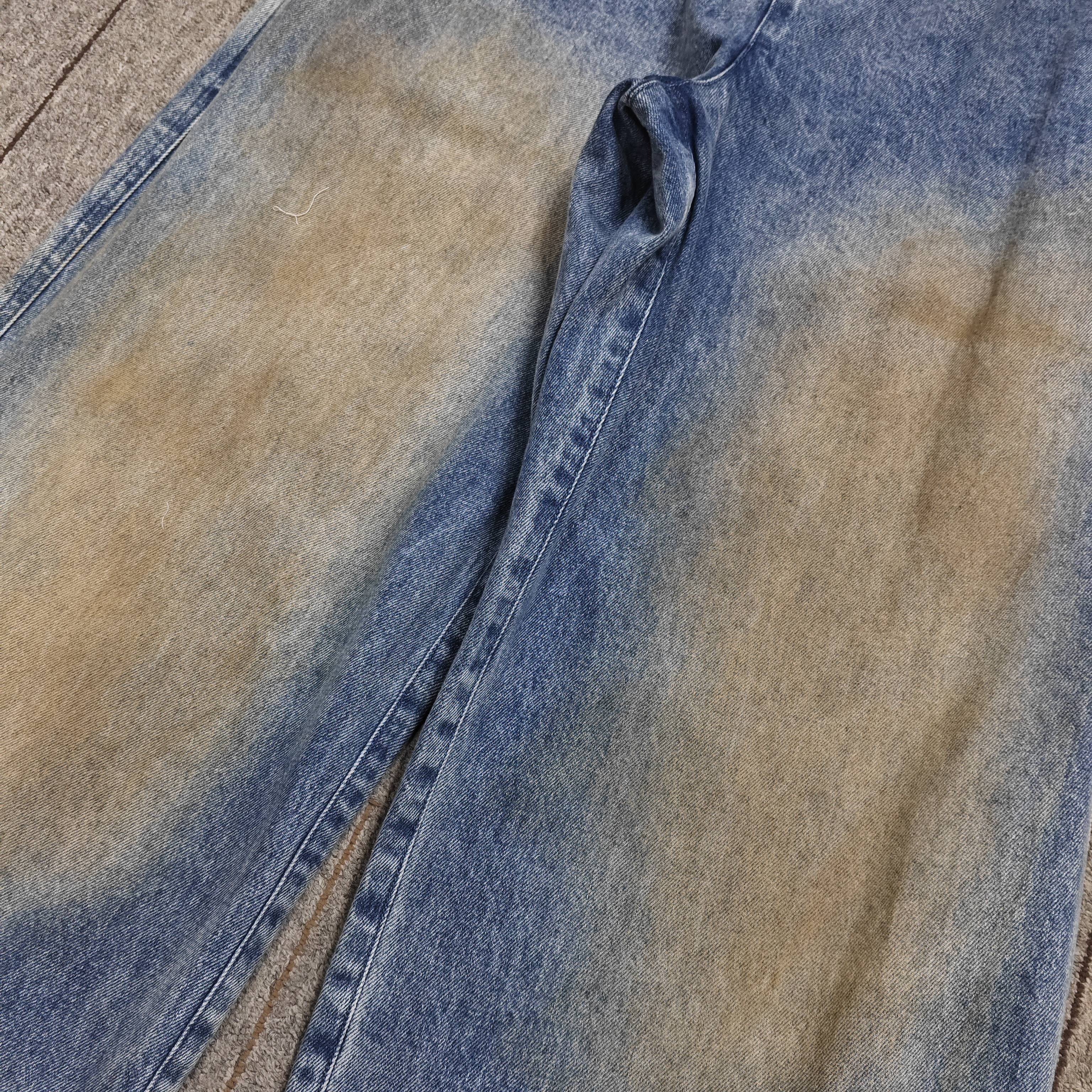
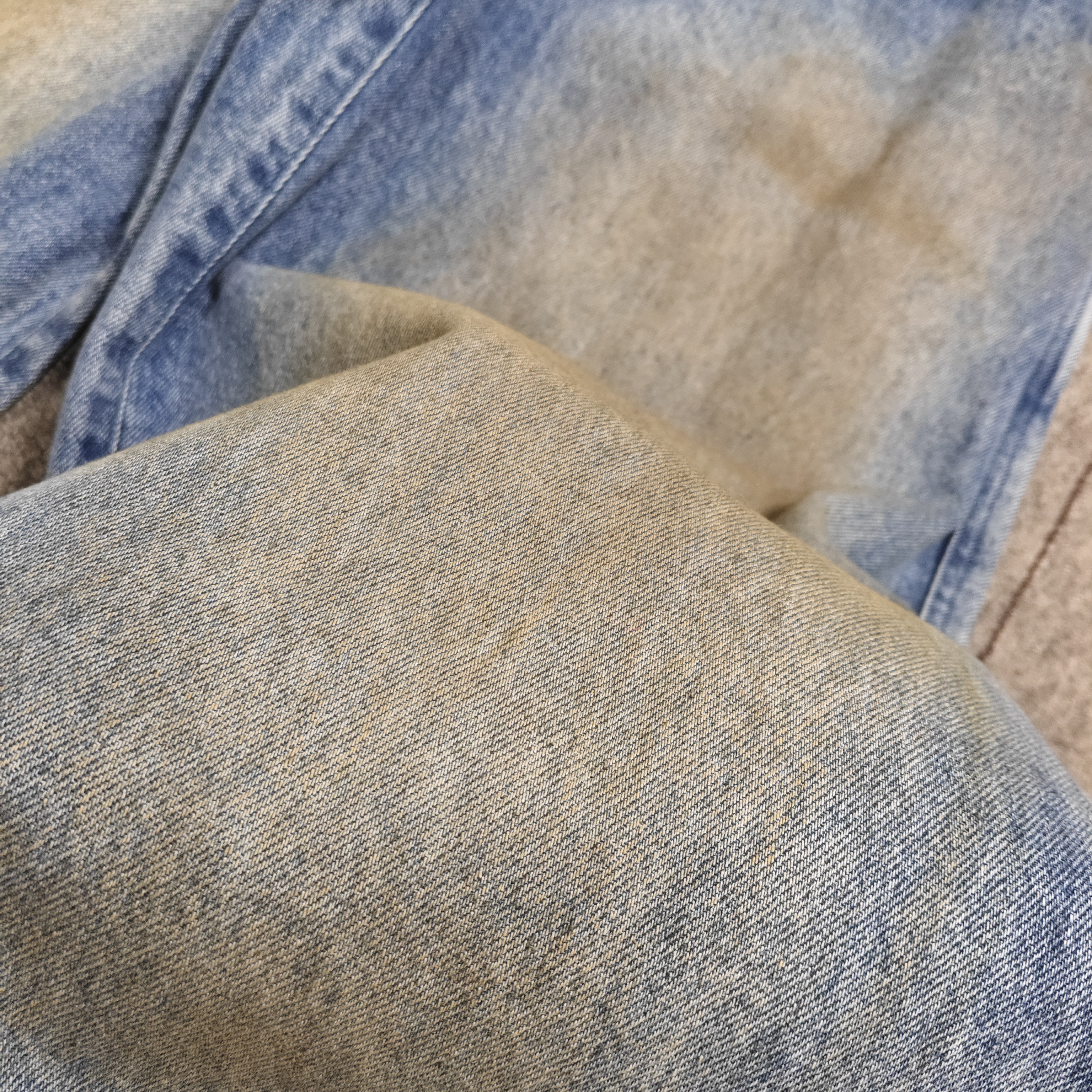
In Europe, the distressed acid-wash technique has created a stunning collision between street culture and high-street fashion. Designers in fashion capitals like London and Paris have boldly blended this retro technique with elements of deconstructionism and court embroidery, giving it a high-fashion feel. Data shows that the annual growth rate of distressed acid-washed items in the European streetwear market has steadily reached 30%, with its market share continuing to expand, driven by high-end streetwear brands. MIHARA YASUHIRO combines acid washing with retro tailoring to create pieces that blend a sense of history with a futuristic feel; Y/Project reconstructs denim fabric with courtly craftsmanship, creating a wonderful balance between distressed edges and delicate embroidery, making it a trendy choice sought after by female consumers. On the streets of Milan Fashion Week, fashionistas paired distressed acid-washed jackets with high-street suits and acid-washed denim with satin skirts, perfectly embodying the "high-end distressed look," proving that this technique has long since transcended the boundaries of streetwear and become a core element of cross-style dressing.
The popularity of the distressed acid-wash technique is far more than just a simple retro revival; it symbolizes the younger generation's rebellion against stereotypical aesthetic systems and their ultimate pursuit of authentic self. This technique breaks the traditional perception that "refined = fashionable," reconstructing the expressive language of streetwear with deliberately distressed textures and random visual effects. More importantly, the distressed acid-wash technique is now deeply intertwined with sustainable fashion. Many brands are using organic cotton and recycled polyester fibers as raw materials, reducing water consumption and chemical pollution through improved processes. 70% of young consumers say they would prioritize environmentally friendly distressed acid-washed items. As this "dirty is beautiful" trend continues to deepen, we have every reason to believe that the distressed acid-wash technique will continue to evolve in the collision between streetwear and high street fashion, writing an even more subversive and rebellious legend on the future fashion stage.