Analysis of the China-Vietnam Garment Manufacturing Supply Chain: Complementarity and Symbiosis, Building a Resilient New Ecosystem for Global Procurement
- Share
- Issue Time
- Jan 30,2026
Summary
Analysis of the China-Vietnam Garment Manufacturing Supply Chain: Complementarity and Symbiosis, Building a Resilient New Ecosystem for Global Procurement
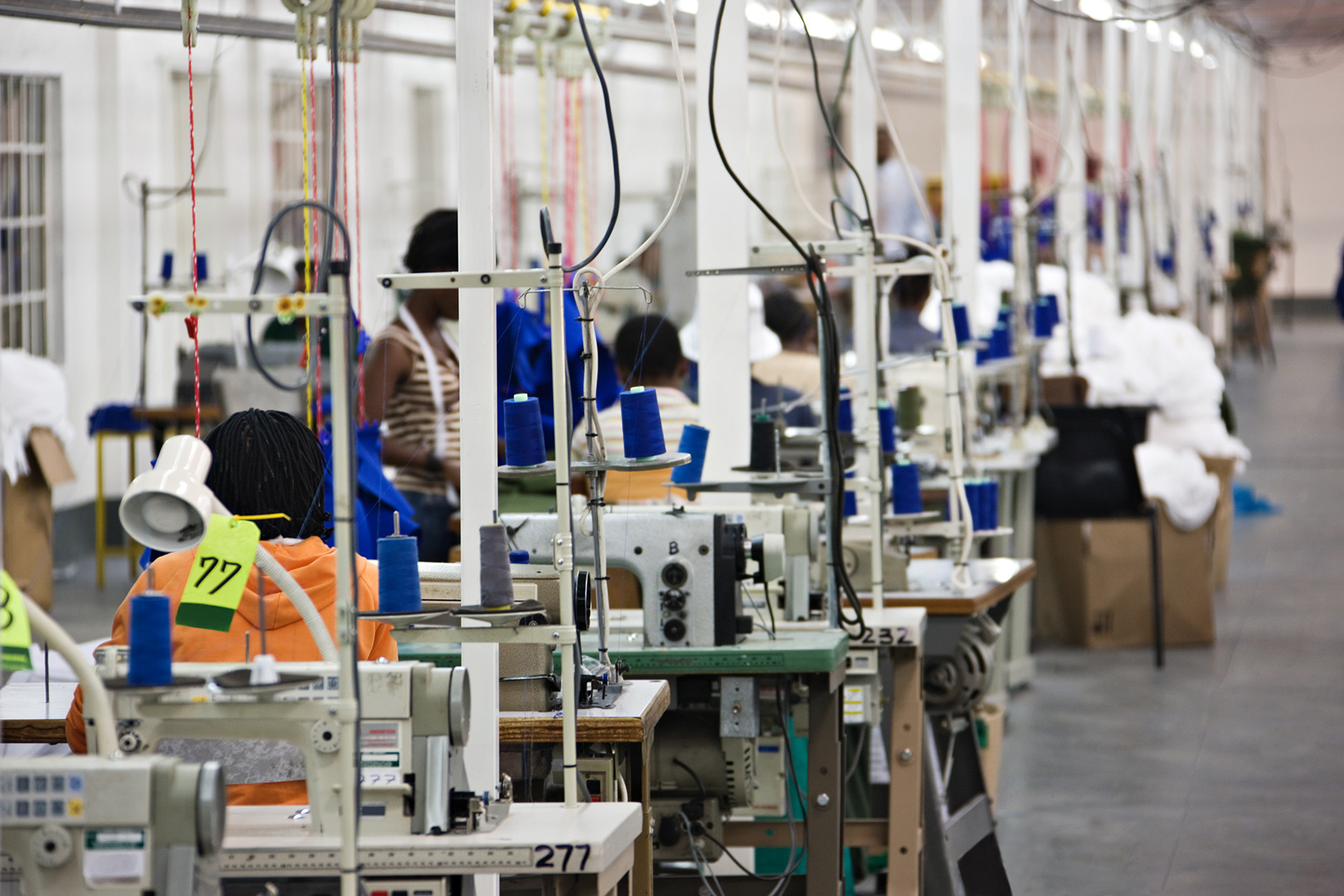
—The global apparel manufacturing landscape continues to evolve, with China and Vietnam, two major Asian manufacturing powerhouses, becoming core considerations for global brands and retailers in their supply chain strategies: China, as a textile manufacturing giant, has solidified its core advantages across the entire industry chain; Vietnam, as a rapidly rising star, is seizing incremental market share through cost and efficiency. Objective analysis shows that modern apparel procurement strategies are no longer simple binary choices, but rather comprehensive strategic considerations integrating value, risk, and innovation.
For decades, China has been the core engine of global apparel production. Its competitive advantage lies not only in its production scale but also in the deep maturity and vertical integration of its supply chain. From the textile source in Shaoxing to the specialized garment manufacturing in Guangdong, China has built a complete industrial ecosystem. High-tech fabric research and development, complex embroidery techniques, and meticulous finishing processes can all be completed within geographically clustered industrial zones. This mature industrial system translates into high reliability and stringent quality control at the production end, as well as strong innovation and iteration capabilities and the ability to handle complex customized orders.
“China’s advantage lies in the completeness of its industrial chain,” an industry analyst pointed out. “Other countries may only have a single manufacturing link, while China has a complete industrial chain from raw materials to finished products. This is crucial for brands that not only need contract manufacturing, but also crave R&D cooperation and rapid product iteration.”
On the other hand, Vietnam has secured a significant position in the global apparel market, becoming an undeniable force in the industry, thanks to its high production efficiency and cost advantages. Its core competitiveness lies in its highly competitive labor costs and a series of favorable free trade agreements—especially the agreement with the European Union, which has brought Vietnam substantial tariff benefits. This makes Vietnam a preferred location for the mass production of basic apparel such as knitwear, T-shirts, and denim, precisely matching the large-scale procurement needs of global brands.
However, Vietnam's garment industry also faces a series of obvious challenges. Its industrial production is highly dependent on imported raw materials, most of which originate from China. This not only increases the overall delivery cycle but also enhances the complexity and uncertainty of the logistics process. Furthermore, although Vietnam's workforce is hardworking and quick to learn, the advanced technology and craftsmanship required for garment production remain largely concentrated in the Chinese market.
Conclusion: Complementary and symbiotic, rather than confrontational and competitive.
The perception that Chinese and Vietnamese garment manufacturing are at odds is becoming increasingly outdated. Leading global garment brands are increasingly adopting a **complementary supply chain model between China and Vietnam**, leveraging the unique advantages of both countries to optimize supply chain allocation.
China: A core supply chain hub for high value and high innovation
China's supply chain is better suited for the production of high-value apparel and technical garments. It is also the best choice for rapid pattern making, prototyping, and products that require rapid market response and quick market launch. It is the core center of innovation and production reliability in the global apparel industry.
Vietnam: A stronghold of efficient supply chains with large scale and low cost
Vietnam's supply chain is better suited for the mass production of basic apparel, enabling cost optimization. It can also reduce brand trade costs by leveraging tariff preferences and diversify production layout risks for global brands. It is a production center that combines efficiency and trade channel advantages.
The future of apparel sourcing is never about choosing a single winner between China and Vietnam, but rather about building a more resilient multinational supply chain strategy. This strategy will fully leverage China's unparalleled full-industry chain innovation ecosystem and Vietnam's competitive advantage in large-scale production of basic styles. Under this new global supply chain model, the most competitive companies will be those that abandon adversarial thinking and view China and Vietnam as two indispensable, complementary, and symbiotic pillars of the modern global apparel supply chain.
About this report
This analysis, based on independent market research and authoritative industry data, aims to provide apparel brands, retailers, and other industry stakeholders with a clear, impartial, and professional perspective on global apparel strategic sourcing choices, and to offer a reference for supply chain layout decisions.
This analysis, based on independent market research and authoritative industry data, aims to provide apparel brands, retailers, and other industry stakeholders with a clear, impartial, and professional perspective on global apparel strategic sourcing choices, and to offer a reference for supply chain layout decisions.