A Comprehensive Guide to Streetwear Wash Techniques: The Soul of the Distressed Look—A Must-Read for Brands
- Share
- Issue Time
- Sep 11,2026
Summary
A Comprehensive Guide to Streetwear Wash Techniques: The Soul of the Distressed Look—A Must-Read for Brands
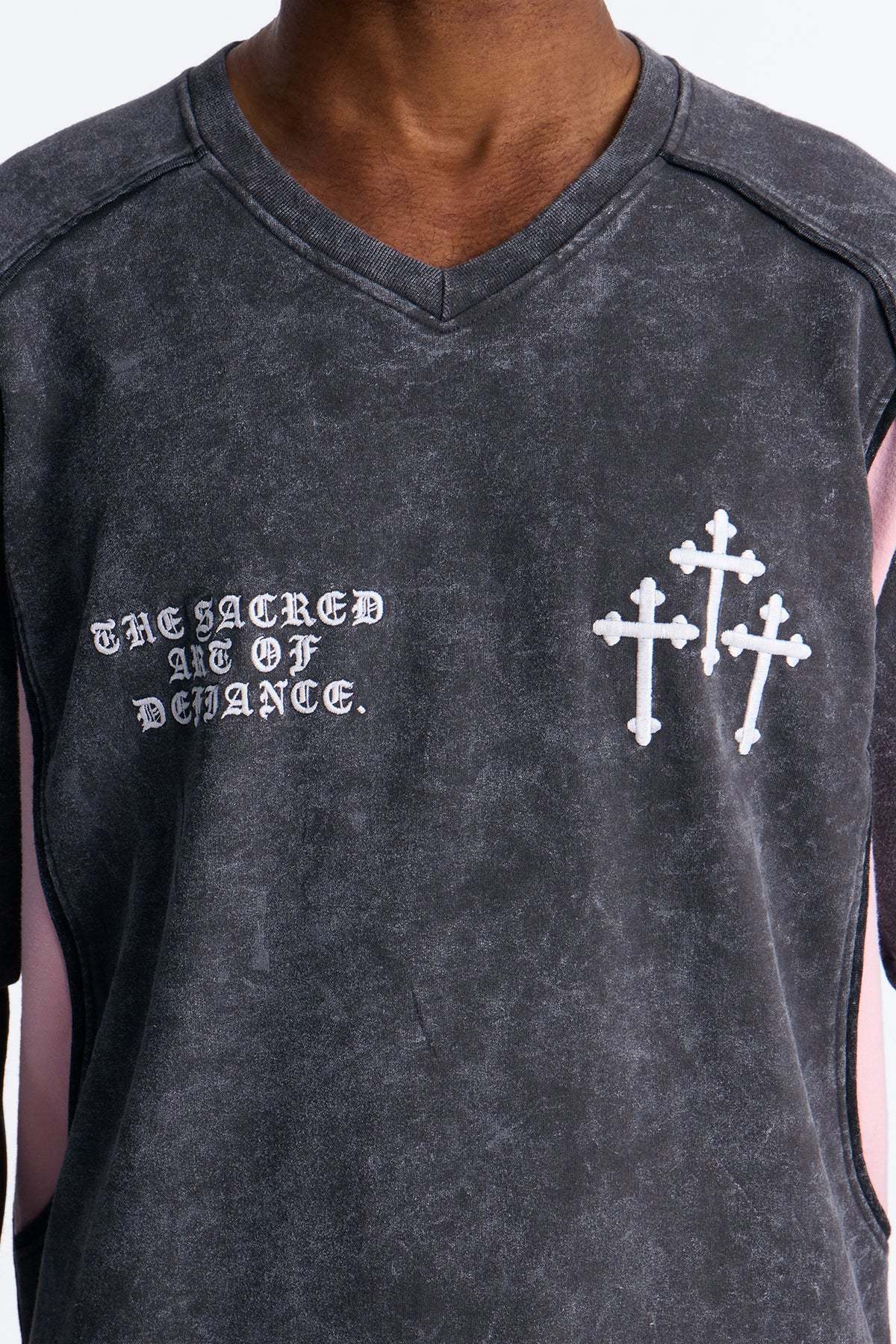
If the fabric serves as the "foundation" of a garment, then the washing process is akin to applying its "makeup." Take a heavyweight pure cotton sweatshirt, for instance: before washing, it is a standard, plain item; after washing, it takes on a vintage, distressed aesthetic—featuring softer hues, a supple hand-feel, and a distinctively streetwear vibe. This is precisely why streetwear brands almost always inquire about washing treatments.
This article provides an in-depth look at washing processes, covering common types, actual results, key considerations, and the pitfalls brands most frequently encounter when developing washed styles.
1. What is the "washed" finish, and why is it indispensable to streetwear brands?
"Garment washing" is a finishing process applied to completed garments—using methods such as physical agitation, chemical agents, and temperature control—to give new clothes a natural, lived-in look.
It offers value on three levels:
- Visually: It softens the color and adds depth, eliminating the stiff, unnatural feel of brand-new clothing.
- Tactilely: It makes the fabric softer and gentler against the skin, ensuring greater comfort.
- Stylistically: It imbues the garment with a vintage, streetwear, or rock-and-roll vibe—qualities that ordinary new clothes cannot replicate.
Streetwear brands favor garment washing because this "distressed" aesthetic lies at the very heart of street culture; a garment that looks worn-in and full of character possesses far more personality than a pristine, brand-new one.
II. Common Types of Water Washing and Their Effects
1. Stone Wash
Garments are tumbled in a washing machine with pumice stones; the friction between the stones and the fabric creates a distressed, worn-in look.
- Effect: The fabric becomes noticeably softer with a muted color and natural, faded abrasion marks on the surface.
- Hand-feel: Exceptionally soft and supple, resembling a well-worn, favorite garment.
- Suitable for: Vintage-style workwear, casual sweatshirts, and denim items.
2. Sand Wash / Enzyme Wash
The fabric surface is treated with chemical agents such as cellulase.
- Effect: Smoother surface, reduced pilling and fuzzing, and a natural, understated distressed look.
- Hand-feel: Fine and silky-smooth.
- Suitable for: Basic sweatshirts and T-shirts; styles aiming for a "subtle distressed" aesthetic.
3. Acid Wash / Snow Wash
Chemical agents, such as chlorine bleach, are used to create irregular, mottled textures on the fabric surface.
- Effect: Each garment features a unique texture with varying shades of distressed patterning, creating a striking visual impact.
- Style: Rock, punk, avant-garde streetwear.
- Note: Due to the random nature of the texture, no two garments are exactly alike; customers must accept this inherent "uniqueness."
4. Gradient / Dip Dye Wash
Achieve a gradient transition from dark to light across the garment through localized dyeing or controlled immersion times.
- Effect: Creates a layered color effect—whether from top to bottom or from the body to the sleeves—that looks great in photos.
- Style: Y2K, trendy designer streetwear.
- Suitable for: Sweatshirts, T-shirts, and sweatpants.
5. Vintage Wash
A combination of washing techniques creates a grayish, vintage tone with a soft, matte, and misty finish.
- Effect: Uniformly aged appearance; understated yet full of character.
- Style: American vintage, minimalist streetwear.
- Target Audience: Ideal for customers seeking a "sophisticated distressed look" rather than exaggerated textures.
III. Precautions for the Water-Washing Process
1. Fabric weight determines the wash effect. The washing process causes some wear and tear on the fabric. Heavier, thicker fabrics (higher GSM) are more durable and yield more consistent results after washing; lightweight fabrics tend to become thinner and softer, and may even lose their shape. It is recommended to use heavyweight fabrics (280g or higher) for garments intended for washing treatments.
2. The "random nature" of washing effects must be clarified upfront. Washing involves both physical and chemical processes, leading to slight variations between batches; effects like acid washing or snow washing result in unique appearances for every single garment. Always approve a wash sample before mass production and ensure the client understands that "batch-to-batch color variation" is a normal characteristic of washed garments, not a quality defect.
3. Washing affects dimensional stability. Fabrics shrink during washing; without proper process control, the final garment sizes may run small. Reliable factories conduct shrinkage tests and pre-shrinking treatments before production to ensure size stability—this is a key factor to verify when selecting a manufacturer.
4. Combining washing with other techniques. Washed garments often incorporate additional details like prints, embroidery, or distressing, and the sequence of operations is crucial. Typically, printing or embroidery is done first, followed by the overall wash; this allows the design to blend seamlessly with the distressed texture. Reversing this order risks damaging the design during the washing process.