A Comprehensive Analysis of Commonly Used Fabrics in Streetwear: One Article is All You Need to Know for Brands Choosing Fabrics
- Share
- Issue Time
- Sep 1,2026
Summary
A Comprehensive Analysis of Commonly Used Fabrics in Streetwear: One Article is All You Need to Know for Brands Choosing Fabrics
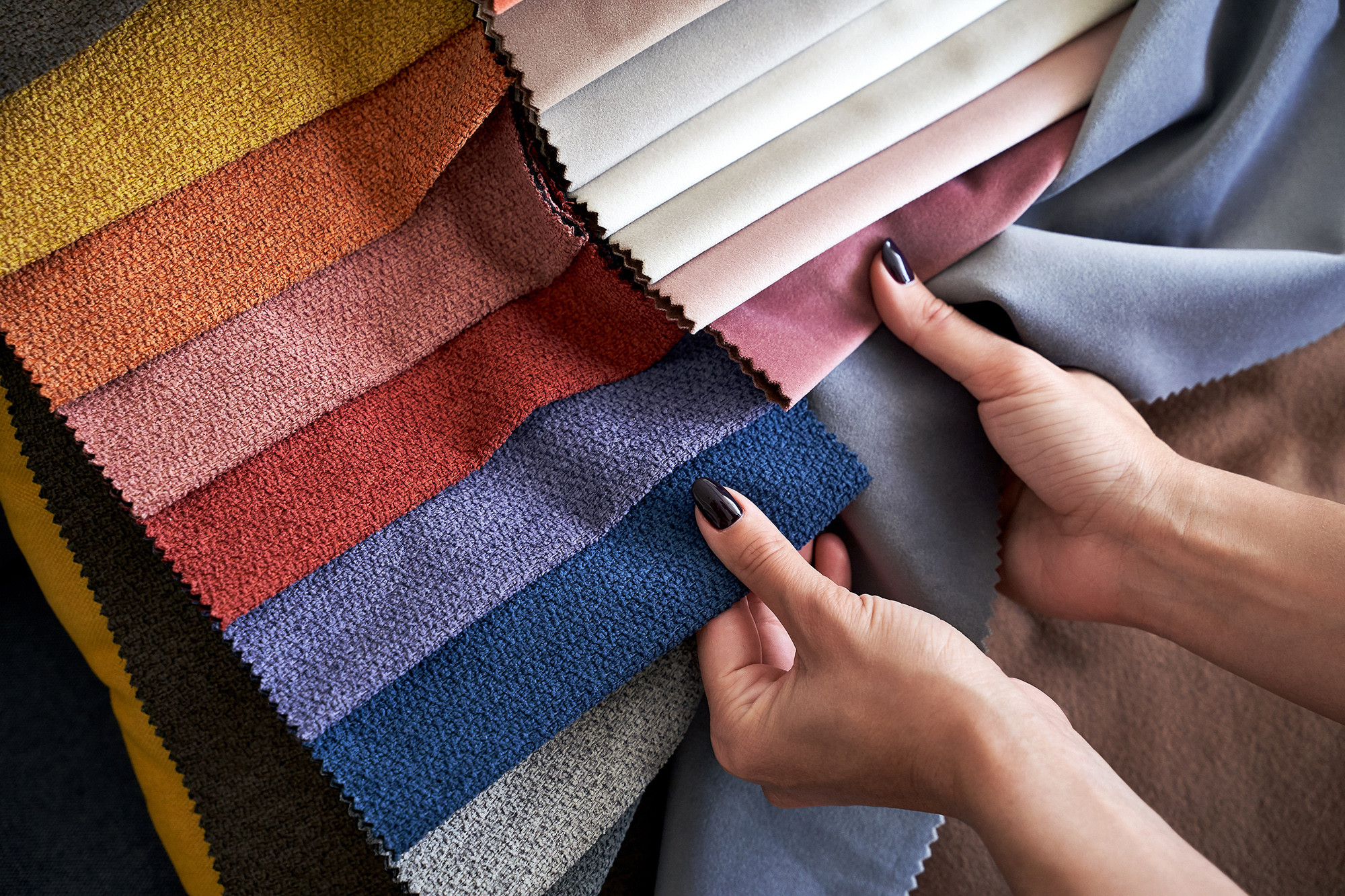
Fabric is the soul of a garment. It determines the feel, drape, thickness, and breathability of the clothing, and even directly impacts a brand's pricing range and customer repurchase rate. For streetwear brands, choosing the right fabric is equivalent to choosing the right "first impression."
Many startup brands, when developing new products, have only a superficial understanding of fabrics, focusing only on price and ignoring composition. The result is garments that are either too thin and sheer, too stiff, or deform after just a couple of washes. This article systematically outlines the most commonly used fabrics by streetwear brands, along with suitable product categories and important considerations.
1. Heavyweight pure cotton: the preferred fabric for T-shirts
Pure cotton T-shirts are the basic style of fashion brands and are also the category that tests fabrics the most.
Common weights: 180g (thin and light), 220g (regular), 260-300g (heavy)
Advantages of heavyweight cotton:
- It feels thick and textured, and is opaque to avoid the embarrassment of being exposed when wearing underwear.
- The shape is crisp and not easy to collapse or deform.
- Printing adhesion is better, and high-definition patterns are printed more clearly
- Not easy to pill after washing, high durability
Note: Pure cotton fabrics have a certain shrinkage rate, and must be pre-shrunk before mass production. Otherwise, the size will become smaller after the customer receives it and washes it, which will easily lead to after-sales service. Our factory will perform shrinkage testing uniformly before production to ensure size stability.
II. Pure cotton terry cloth: the core fabric for sweatshirts and sweatpants
French terry fabric is a staple in hoodies, sweatpants, and suits. It features a looped yarn structure on the inside, resembling the texture of a towel.
Common weights: 280g, 320g, 360g, 400g+
Why streetwear brands favor heavyweight terry fabric:
- More breathable than regular fleece hoodies, suitable for wearing alone in spring and autumn, or as a base layer in winter.
- Heavyweight terry fabric has a good drape, creating a relaxed, street-style look.
- Ideal for finishing processes like washing, fading, and sand washing, resulting in a strong vintage feel.
- Smooth surface, allowing embroidery, rhinestones, and prints to shine.
Fun Fact: Many people believe that hoodies must have a fleece lining for warmth. However, heavyweight terry fabric (360g+) already provides good warmth and is more versatile and less bulky than fleece-lined versions.
III. Satin/Acetate Fabrics: The Secret to High-End Shorts and Shirts
Satin or acetate fabrics have a soft sheen and excellent drape, making them very popular in recent years for trendy shorts and resort-style shirts.
Fabric Characteristics:
- Smooth and glossy surface, giving it a luxurious look
- Excellent drape, creating a flowing and stylish silhouette
- Silky smooth feel, comfortable against the skin
Suitable for high-waisted shorts, wide-leg pants, floral shirts, etc.
Note: Satin fabric is relatively delicate and prone to snagging and wrinkling during sewing, requiring skilled sewing technicians. Digital heat transfer printing is recommended to avoid the insufficient adhesion of traditional screen printing on smooth surfaces.
IV. Nylon Woven Fabric: A Standard for Functional Styles and Sports Pants
Nylon or polyester woven fabric is a common material for functional jackets, sweatpants, and windproof coats.
Fabric Advantages:
- Lightweight and wrinkle-resistant, easy to pack and wear daily.
- Offers some wind and water resistance, highly practical.
- Smooth surface, suitable for designs such as color blocking, zippered pockets, etc.
- Quick-drying and easy to care for, suitable for sports.
Styling Tips: Nylon fabric is suitable for designs such as side stripes, zippered pockets, and joggers, enhancing the functional and sporty feel. Choose a nylon with a certain thickness; thinner fabrics can look cheap.
5. Lambswool/Fleece: The Warmest Choice for Autumn and Winter Outerwear
Sherpa fleece is a popular fabric for autumn and winter outerwear and jackets, known for its fluffy softness and excellent warmth.
Fabric Characteristics:
- Fluffy and thick, providing an inherent sense of warmth.
- Excellent warmth retention; one layer is enough for winter.
- Suitable for outerwear, vests, and jacket linings.
- Can be paired with high-definition printing, allowing for clear patterns even on the fluffy fabric.
Note: Printing on sherpa fleece is more difficult than on ordinary fabrics, requiring specialized equipment and processes to ensure the pattern remains sharp and doesn't fade. When choosing a factory, confirm their experience and case studies in sherpa fleece printing.
Choosing the right fabric is the first step to making a good garment. But fabric is only the foundation; it needs to be combined with sophisticated printing, embroidery, washing, and sewing techniques to transform a piece of cloth into a finished product with a brand identity.
We are a clothing factory specializing in custom-made streetwear brands. We possess full-process capabilities, from fabric sourcing and sampling to printing, embroidery, washing, finishing, and mass production. We support customization of various fabrics including heavyweight cotton, terry cloth, satin, nylon, and lambskin. Minimum order is 50 pieces, with a 7-day sampling period and 20-25 day delivery for bulk orders. Brand clients are welcome to contact us to transform your designs into high-quality garments.